

If the repair involves the main water line, sewer system, gas lines, or anything that requires opening up walls or floors, a licensed plumber is the right call. DIY fixes have their place, but the wrong move on the wrong system can turn a small problem into an expensive one.

Bathroom Plumbing in Chattanooga, TN
Few things disrupt a household faster than a bathroom that isn't working right. At Mr. Rooter Plumbing, we've seen it all, from slow drains that turn a shower into a wading pool to hidden leaks rotting out the subfloor behind your toilet. Bathroom plumbing is more interconnected than most people expect, which means one small problem can become several big ones. If you want to know what's going on behind your walls and under your floors, keep reading.
How Your Bathroom Plumbing System Is Connected
Your bathroom runs on two separate systems working in parallel. The supply lines bring pressurized water in, and drain-waste-vent lines carry water and waste out. Every fixture ties into both. The sink, toilet, shower, and tub typically connect to the same drain system or stack, which means a blockage in one spot can back up into another fixture.
Supply lines split off from your home's main water line and run to each fixture independently. Hot water lines connect to your water heater first, then branch out. Cold lines go straight to each fixture. Behind the wall, shutoff valves control flow to individual fixtures, so an experienced plumber can isolate a problem at the sink without cutting water to the whole house.
The drain side is where things get more complex. Waste flows by gravity through pipes pitched at a specific angle. If it's too flat, solids settle. When it's too steep, water outruns the waste. Every drain connects to a vent pipe that runs up through the roof to equalize air pressure. Without the vent, drains gurgle, traps dry out, and sewer gas enters the living space.
Our Services
Water Filtration Installation
What comes out of your tap isn't always as clean as it looks. Mr. Rooter Plumbing installs water filtration systems for homeowners who want to know exactly what they're drinking, cooking with, and bathing in, and the options available today…

Sewer Repair
Sewer problems have a way of going unnoticed until they're impossible to ignore. By that point, the damage is usually well underway. Mr. Rooter Plumbing provides reliable trenchless sewer repair in Chattanooga, Tennessee, and the surrounding area. Knowing what to…
Plumbing Repair
Something is always going on with a home's plumbing, whether it's a fixture that's been acting up for months or a pipe that decided to fail on a Sunday night. Mr. Rooter Plumbing offers plumbing repair jobs of every size,…
Faucet Replacement
A dripping faucet is something that's easy to put off, but fixing the water damage caused by it isn't. Mr. Rooter Plumbing offers faucet replacement jobs ranging from a single worn-out kitchen fixture to a whole-house upgrade, and the questions…

Shower Repair & Replacement
A shower that isn't working right can ruin your day fast. Mr. Rooter Plumbing offers shower repair in Chattanooga, Tennessee, ranging from a showerhead with terrible pressure to leaks that have been soaking into the wall for months. Showers involve…
Pipe Repair & Repiping
Mr. Rooter Plumbing gets calls for pipe repair and repiping from homeowners dealing with everything from a single cracked section to a whole-house system that has simply reached the end of its lifespan. Knowing the difference between a targeted repair…
Water Heater Repair
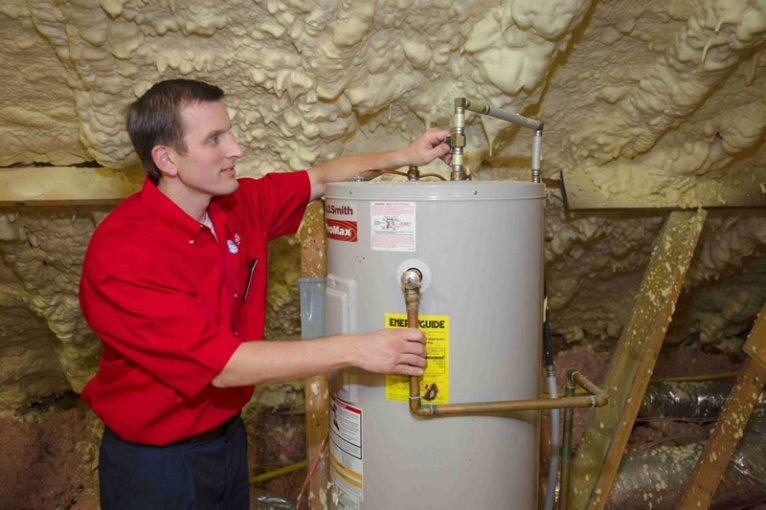
Few things in a home get taken for granted the way a water heater does, right up until the moment it stops working. At Mr. Rooter Plumbing, we field calls about water heater repair in Chattanooga from homeowners who are…
Water Line Replacement
Your main water line is the single pipe responsible for delivering water to every fixture in your home, and most homeowners have no idea what condition their line is in. Mr. Rooter Plumbing is ready to help. We get called…

Why Slow Drains Are Never a Minor Inconvenience
A slow drain signals a partial blockage, which has a tendency to grow. Soap scum, hair, and mineral scale build up in layers on pipe walls. Each layer narrows the opening, which makes every future clog worse and harder to clear. If left alone, what started as a slow shower drain can escalate to a standing backup that requires hydro jetting or pipe removal.
Slow drains also put pressure on your P-trap. The curved section of pipe under every sink and tub holds a small amount of water that blocks sewer gas from entering the room. When water drains too slowly, the trap can siphon dry or develop a persistent residue buildup that corrodes the fitting. A corroded P-trap leaks, and it usually goes undetected until water damage shows up in the cabinet below or the ceiling of the floor underneath.
If multiple drains in the bathroom are slow at the same time, the blockage is almost certainly downstream in the main stack rather than at the fixture itself. Clearing the individual drain won't fix it. A plumbing service call at that point is the only way to locate and remove the obstruction.
Mr. Rooter Reviews
Read What Our Happy Customers Have to Say About Our Services
I can not say enough great things about Joseph Tomlinson. We had to have our septic system dug up, and they had to find the exact cause of it backing up. Joseph knew exactly where to look and how to fix it, and knew exactly what he was talking about. I would highly recommend him to anyone who has any septic issues. Very knowledgeable, respectful, straightforward, and honest. He will be the reason that we continue using this company for our plumbing needs.
Seth from Mr. Rooter came out to our house on Saturday. He was prompt and very professional. Did an excellent job and fixed several problems, and thankfully stopped the leaking into our basement! I have used Mr. Rooter before, and they have been great every time. Thanks, Seth! Brett R.
Austin communicated very well throughout the entire process. He came out to check out a toilet and was courteous and knowledgeable about the issue. He even offered to bring a package inside for us as we were not home! Definitely recommend!
I had one plumbing company that came out, and walked away from the job, because they had to go in the tank to change a pump out. At this point i had to get someone ASAP. I called Mr. Rooter and had Joseph come out to give a quote, and he came the next day. Great service, and he wanted to make sure I was happy. Great guy, I highly recommend Joe.

Is Your Toilet Running All Night? Here’s What That Means
A toilet that runs continuously is wasting water and telling you that the fill valve, flapper, or float assembly has failed. The flapper is the rubber seal near the bottom of a tank. When it wears out, water trickles past it into the bowl constantly, and the fill valve runs to compensate. You can confirm this by dropping food coloring into the tank. If color appears in the bowl without flushing, then the flapper is leaking.
A faulty fill valve causes a different symptom. Instead of cycling on and off, it runs until water reaches the overflow tube and drains into the bowl. The steady trickle can waste hundreds of gallons per month. The float controls when the fill valve shuts off, and a float set too high keeps the valve open past the point where it should stop.
Both repairs are mechanical, and parts are inexpensive. But if you replace the flapper and the toilet still runs, the issue may be a warped flush valve seat that no rubber seal will fix. That requires replacing the entire flush valve assembly, which involves draining the tank and disconnecting the water supply. A plumber in Harrison can diagnose which component failed in one visit and replace it correctly the first time.
Spotting Hidden Water Damage Before It Gets Expensive
A leak at a supply connection behind the toilet doesn't stay behind the toilet. It wicks into drywall, travels along floor joists, and pools wherever gravity takes it. By the time a stain appears on a ceiling or a baseboard starts to buckle, the damage is already substantial. Check these specific locations on a monthly basis:
- The floor around the base of the toilet for soft spots or discoloration in the grout
- Under the sink cabinet, look for water rings on the cabinet floor or swollen particleboard
- Along the caulk line where the tub or shower meets the wall for cracks, gaps, or dark staining
- The wall behind the showerhead for bubbling paint or soft drywall
A musty smell in the bathroom that doesn't clear after ventilating is a reliable indicator of mold behind a wall or under the floor. Mold takes hold within 24 to 48 hours of sustained moisture exposure. Catching a slow leak at the supply line or drain fitting early costs a fraction of what subfloor replacement or mold remediation runs.
Plumbers use moisture meters and sometimes a small camera to locate hidden leaks without tearing out walls unnecessarily. If you're seeing unexplained water marks or smelling something that doesn't belong, that's the right tool for the job.
When a Bathroom Plumbing Problem Needs a Professional
Some repairs belong in the DIY category. Replacing a showerhead, swapping a faucet aerator, or tightening a supply line connection are reasonable projects for a homeowner with basic tools. But the line moves fast once you get into anything behind the wall or below the floor.
Replacing a wax ring under the toilet looks manageable until the flange is cracked or set below floor level. A cracked flange lets the toilet rock, which breaks the wax seal repeatedly, no matter how many times you replace it. Fixing it correctly means cutting into the drain pipe and installing a flange repair ring or replacing the fitting.
Plumbing repair on supply lines inside the wall requires cutting into drywall, soldering or pressing new fittings, and patching afterward. Getting the connection wrong means a leak inside the wall. A licensed plumber has the tools, parts, and experience to do that work right and verify the repair before closing the wall back up.
Do You Need a Plumbing Repair or Maintenance Service?
Bathroom problems don't improve on their own. If you're dealing with a running toilet, slow drains, low pressure, or any sign of water where it shouldn't be, call Mr. Rooter Plumbing. Our plumbers diagnose the problem, explain what it takes to fix it, and get the work done correctly. Contact us today to schedule your plumbing service.
Frequently Asked Questions
Latest Updates & Blog Posts
 Jun 05, 2026
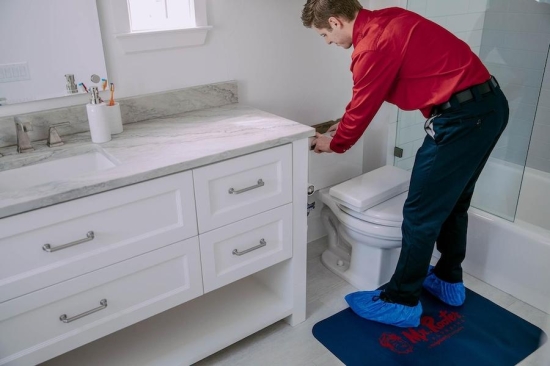
Why Replacing an Old Toilet Can Save You Money
Do you have a home improvement project planned? If so, installing a…
Read More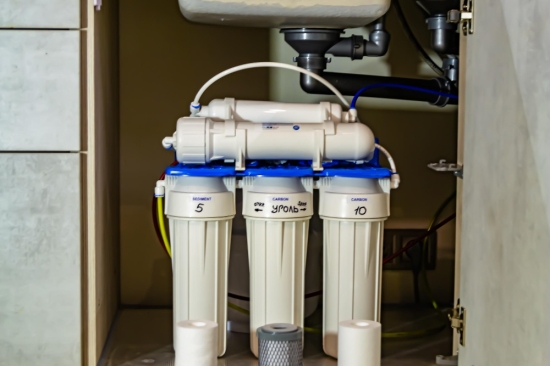 May 30, 2026
How Water Softener Installation Improves Skin and Hair Health
Did you know that water quality affects nearly every aspect of daily…
Read More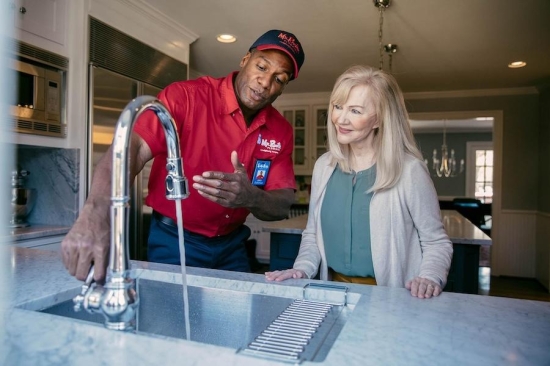 May 23, 2026
Why Old Faucets Waste More Water Than You Think
Plumbing is a crucial part of residential and commercial properties. From providing…
Read More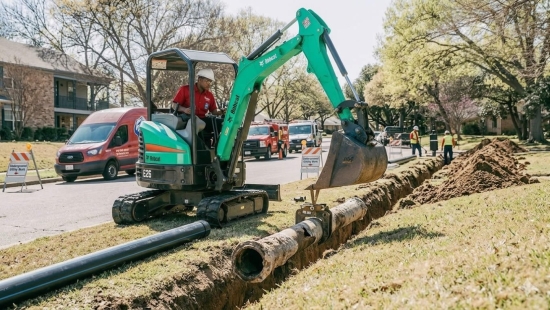 May 14, 2026
How Water Line Damage Can Destroy Your Property
When it comes to protecting your home or business, few issues are…
Read More