

If the repair involves the main water line, sewer system, gas lines, or anything that requires opening up walls or floors, a licensed plumber is the right call. DIY fixes have their place, but the wrong move on the wrong system can turn a small problem into an expensive one.
Toilet Replacement & Repair in Chattanooga, TN
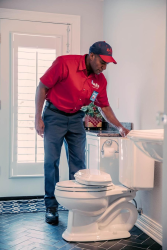
Mr. Rooter Plumbing replaces toilets for all kinds of reasons, from persistent clogs and cracks in the porcelain to homeowners who are tired of a unit that runs all night and drives up their water bill. There is more to a toilet replacement in Chattanooga than pulling the old one out and setting a new one in, and the options available today are worth understanding before you buy. Here is everything you need to make a solid decision on yours.
Signs Your Toilet Has Reached the End
Most toilets last 20 to 30 years, but age alone isn't the deciding factor. The real indicators show up in performance and cost. A toilet that clogs two or three times a month has a weak flush mechanism that no amount of plunging will permanently fix. Hairline cracks in the porcelain, especially around the base or tank, will eventually leak onto your floor and cause water damage to the subfloor beneath.
Running water is another sign worth taking seriously. If your toilet runs for 30 seconds after every flush, the flapper or fill valve is failing. If it runs randomly throughout the day, the seal has degraded enough to let water drain past it continuously. Either way, you're adding gallons to your water bill every week for a part that costs a few dollars to replace, but repeated failures in the same unit point to a toilet that's simply worn out.
Visible wobbling, staining that won't scrub out, and porcelain that has pitted or cracked below the glaze are all signs that a toilet replacement makes more financial sense than ongoing toilet repair. Local plumbers in Chattanooga, TN, can assess the unit in person and tell you whether a single repair is worth it or whether you're patching a problem that will reappear.
Our Services
Garbage Disposal Replacement
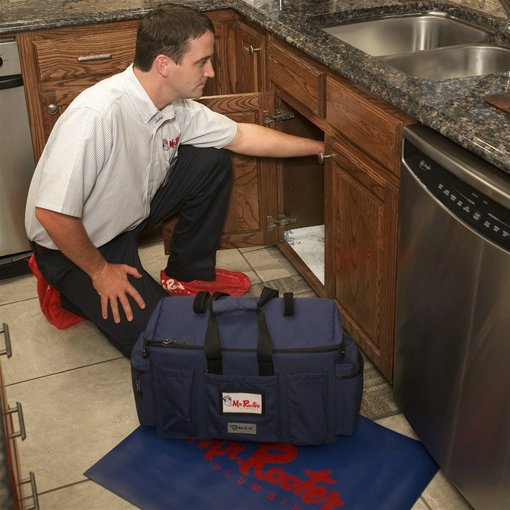
Most people don't think about their garbage disposal until it stops working in the middle of cooking dinner. Mr. Rooter Plumbing gets called out for garbage disposal replacement in Chattanooga pretty regularly, and the job is almost never as simple…
Sump Pump Replacement & Repair
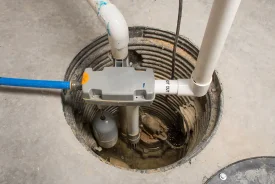
The only time most homeowners think about their sump pump is when the basement is already flooding. Mr. Rooter Plumbing wants you to think about it before that happens, because a sump pump replacement done on your schedule is a…
Pipe Repair & Repiping
Mr. Rooter Plumbing gets calls for pipe repair and repiping from homeowners dealing with everything from a single cracked section to a whole-house system that has simply reached the end of its lifespan. Knowing the difference between a targeted repair…
Leak Detection
Water has a way of finding the worst possible places to hide. At Mr. Rooter Plumbing, we get calls all the time from homeowners who had no idea they had a leak until their water bill doubled or they found…
Commercial Plumbing
Running a business comes with enough headaches, and your plumbing shouldn't be one of them. At Mr. Rooter Plumbing, we know that commercial plumbing systems are a different animal than what you'd find in a home. The pipe networks are…
Toilet Replacement & Repair
Mr. Rooter Plumbing replaces toilets for all kinds of reasons, from persistent clogs and cracks in the porcelain to homeowners who are tired of a unit that runs all night and drives up their water bill. There is more to…
Plumbing Repair
Something is always going on with a home's plumbing, whether it's a fixture that's been acting up for months or a pipe that decided to fail on a Sunday night. Mr. Rooter Plumbing offers plumbing repair jobs of every size,…
Water Line Replacement
Your main water line is the single pipe responsible for delivering water to every fixture in your home, and most homeowners have no idea what condition their line is in. Mr. Rooter Plumbing is ready to help. We get called…

What Rough-In Measurements Are
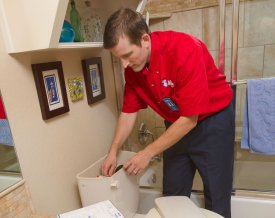
The rough-in is the distance from the wall behind your toilet to the center of the drain pipe in the floor. Standard rough-in measurements are usually 10, 12, or 14 inches. If you order a toilet without confirming this measurement, you may end up with a unit that doesn't fit the existing drain location without moving plumbing.
Measure from the bolts at the base of your current toilet to the wall. Those bolts sit directly over the flange, which connects to the drain pipe. Write the number down before you shop. Most toilet boxes list the rough-in on the label, but it's easy to overlook when you're focused on style or price.
A mismatch here creates problems. A toilet with a 12-inch rough-in won't seat correctly on a 10-inch flange without an offset flange adapter, and even then, the fit is a compromise. Getting this measurement right before your purchase is one of the most practical things you can do to keep your toilet replacement in Chattanooga simple and your costs predictable.
Mr. Rooter Reviews
Read What Our Happy Customers Have to Say About Our Services
I can not say enough great things about Joseph Tomlinson. We had to have our septic system dug up, and they had to find the exact cause of it backing up. Joseph knew exactly where to look and how to fix it, and knew exactly what he was talking about. I would highly recommend him to anyone who has any septic issues. Very knowledgeable, respectful, straightforward, and honest. He will be the reason that we continue using this company for our plumbing needs.
Seth from Mr. Rooter came out to our house on Saturday. He was prompt and very professional. Did an excellent job and fixed several problems, and thankfully stopped the leaking into our basement! I have used Mr. Rooter before, and they have been great every time. Thanks, Seth! Brett R.
Austin communicated very well throughout the entire process. He came out to check out a toilet and was courteous and knowledgeable about the issue. He even offered to bring a package inside for us as we were not home! Definitely recommend!
I had one plumbing company that came out, and walked away from the job, because they had to go in the tank to change a pump out. At this point i had to get someone ASAP. I called Mr. Rooter and had Joseph come out to give a quote, and he came the next day. Great service, and he wanted to make sure I was happy. Great guy, I highly recommend Joe.
Water Efficiency Ratings and What They Mean for Your Utility Bill
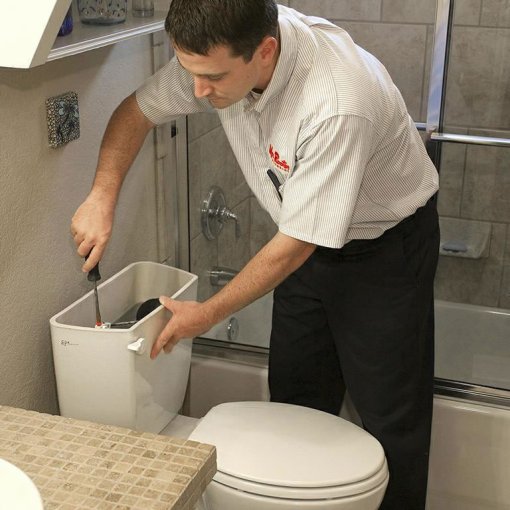
Toilets manufactured before 1994 use between 3.5 and 7 gallons per flush. Federal standards now cap new toilets at 1.6 gallons per flush, and WaterSense-certified models use 1.28 gallons or less. If you're replacing a 30-year-old toilet, you can cut your toilet water use by more than half without any change to your habits.
For a household of four, the reduction adds up to thousands of gallons per year. Some utilities also offer rebates for WaterSense-certified toilet installation, so it's worth checking with your local water provider before you buy. The rebate amounts vary, but they can offset a portion of the purchase price.
Dual-flush models give you a choice between a reduced flush for liquid waste and a full flush for solid waste. The low-flush option on most dual-flush toilets runs around 0.8 to 1.0 gallons. If water rates in your area are high, that difference compounds quickly over a year of daily use.
What Gets Checked During a Professional Toilet Replacement
During a toilet replacement, your plumber inspects the floor flange before setting the new toilet. The flange is the fitting that anchors the toilet to the drain pipe and the floor. If it's cracked, corroded, or sitting below floor level, the new toilet won't seal correctly and will rock or leak at the base.
The shutoff valve behind the toilet gets checked as well. These valves are frequently the first to fail in older bathrooms, and a toilet installation is a practical time to replace one that's stiff or corroded before it becomes an emergency. The supply line connecting the valve to the tank is also inspected and replaced if it shows any sign of wear or mineral buildup.
Once the toilet is set, your local plumber confirms that the wax ring is fully compressed, the bolts are snug without being overtightened, and the fill valve cycles correctly. A final flush test checks for leaks at the base, the supply line, and the tank-to-bowl connection. This checklist is the standard procedure for anyone scheduling toilet repair in Chattanooga or a full replacement.
How to Handle a Toilet Replacement When the Flange Is Damaged
A damaged flange is one of the more common complications in older homes. Flanges corrode, break, or get buried under new flooring when tile or vinyl is installed on top of the original subfloor. A flange that sits more than a quarter inch below the finished floor surface won't compress the wax ring properly, and the toilet will rock and leak.
For a corroded or cracked flange, the repair depends on the material. Cast iron flanges can be repaired with a repair ring bolted over the existing flange. PVC flanges are typically cut and replaced. When the flange sits too low, a wax ring extender or a flange spacer raises the connection point to the correct height without requiring pipe work below the floor.
This is exactly the kind of issue where DIY toilet installation can go wrong. A toilet set on a compromised flange will appear fine initially and then develop a slow leak that saturates the subfloor for months before anyone notices. Homeowners searching for a toilet installer in Chattanooga should confirm that flange inspection is part of the service before scheduling. Catching it during the replacement is far less expensive than repairing water-damaged flooring.
Do You Need a Qualified Toilet Installer in Chattanooga, TN? Call Mr. Rooter Today
A toilet replacement that's done correctly protects your plumbing, your floors, and your water bill for the next two decades. If your toilet is showing signs of failure, running up your utility costs, or past its useful life, Mr. Rooter Plumbing is ready to help. Our team offers everything from toilet repair in Chattanooga to full toilet replacement in Chattanooga, Tennessee. Our plumbers inspect the flange, replace worn valves, and confirm every connection before the job is done. Call us today to schedule your service.
Frequently Asked Questions
Latest Updates & Blog Posts
 Jun 05, 2026
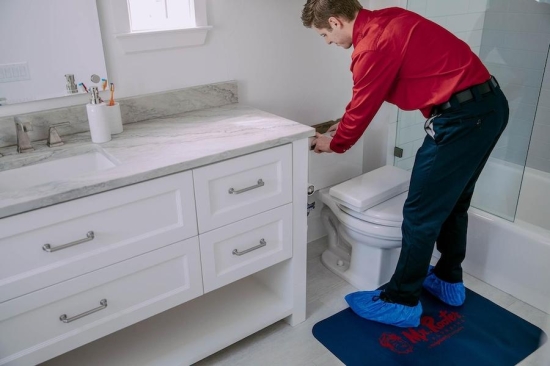
Why Replacing an Old Toilet Can Save You Money
Do you have a home improvement project planned? If so, installing a…
Read More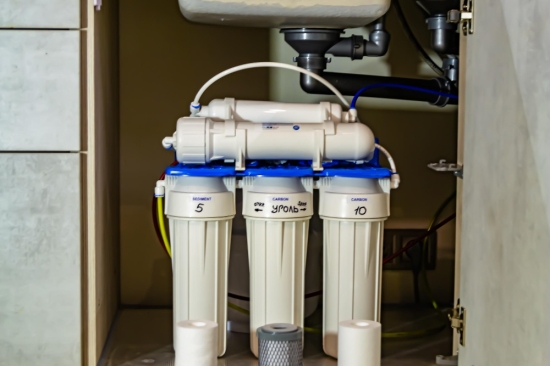 May 30, 2026
How Water Softener Installation Improves Skin and Hair Health
Did you know that water quality affects nearly every aspect of daily…
Read More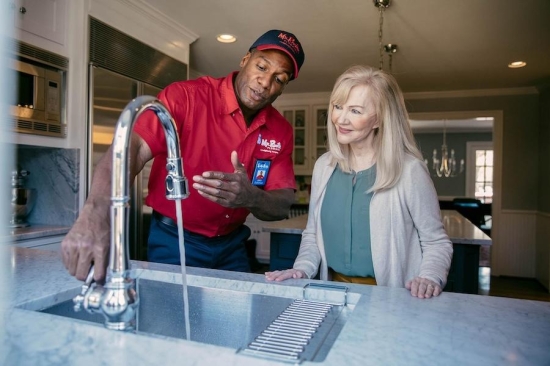 May 23, 2026
Why Old Faucets Waste More Water Than You Think
Plumbing is a crucial part of residential and commercial properties. From providing…
Read More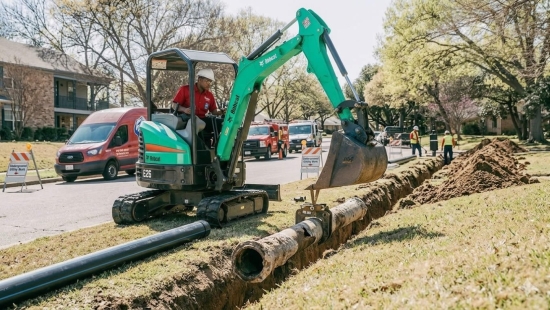 May 14, 2026
How Water Line Damage Can Destroy Your Property
When it comes to protecting your home or business, few issues are…
Read More