

If the repair involves the main water line, sewer system, gas lines, or anything that requires opening up walls or floors, a licensed plumber is the right call. DIY fixes have their place, but the wrong move on the wrong system can turn a small problem into an expensive one.


Kitchen Sink Replacement in Chattanooga
Replacing a kitchen sink sounds simple until you're halfway through the project and realize the new one doesn't fit the countertop cutout. Mr. Rooter Plumbing has seen that scenario more times than we can count, along with plenty of others that turn a weekend project into a week-long ordeal. Kitchen sink replacement involves a lot of moving parts, from drain alignment and supply line compatibility to countertop material. Here's what you need to know before you buy anything.
Different Types of Kitchen Sinks
Drop-in sinks sit in the countertop cutout and rest on a rim that runs along the top edge. They work with nearly every countertop material and are the easiest to swap out during a sink replacement because the cutout dimensions are less critical. Undermount sinks attach below the countertop surface, which gives you a cleaner look and makes wiping debris into the basin easier, but they require a solid surface material like granite, quartz, or solid-surface composite to support the weight.
Farmhouse sinks, or apron-front sinks, extend past the cabinet face and need cabinet modifications. You'll likely need to remove the cabinet door, cut down the front frame, and add reinforced support. That's not a basic Saturday afternoon swap. Integrated sinks are molded into the countertop material and can't be replaced independently.
Single-basin sinks give more room for large pots and sheet pans. Double-basin sinks let you separate tasks, like keeping a soaking side and a rinsing side, but they divide the workspace. Material is also very important. Stainless steel resists heat and is lightweight. Cast iron is heavy, so make sure the cabinet can handle the load, especially when it's full of water. Composite granite holds up well to impact but can chip at the edges if something heavy drops on it.
Our Services
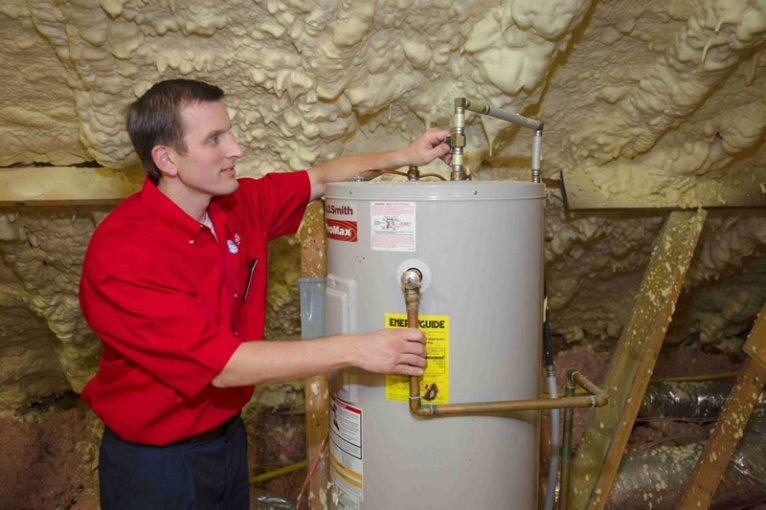
Water Heater Repair
Few things in a home get taken for granted the way a water heater does, right up until the moment it stops working. At Mr. Rooter Plumbing, we field calls about water heater repair in Chattanooga from homeowners who are…
Reliable Water Softener Installation
Hard water is a problem that shows up everywhere once you know what to look for. Mr. Rooter Plumbing installs and services water softeners for homeowners who are tired of the white buildup on their fixtures, the dingy laundry, and…

Faucet Replacement
A dripping faucet is something that's easy to put off, but fixing the water damage caused by it isn't. Mr. Rooter Plumbing offers faucet replacement jobs ranging from a single worn-out kitchen fixture to a whole-house upgrade, and the questions…

Plumbing Repair
Something is always going on with a home's plumbing, whether it's a fixture that's been acting up for months or a pipe that decided to fail on a Sunday night. Mr. Rooter Plumbing offers plumbing repair jobs of every size,…
Leak Detection
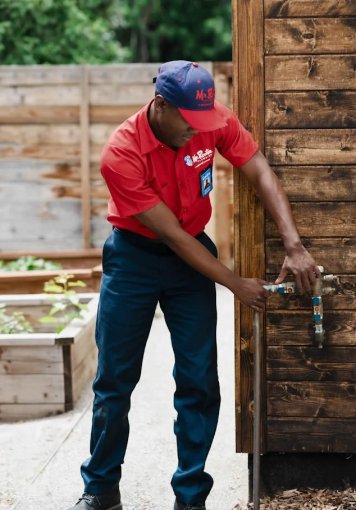
Water has a way of finding the worst possible places to hide. At Mr. Rooter Plumbing, we get calls all the time from homeowners who had no idea they had a leak until their water bill doubled or they found…
Shower Repair & Replacement
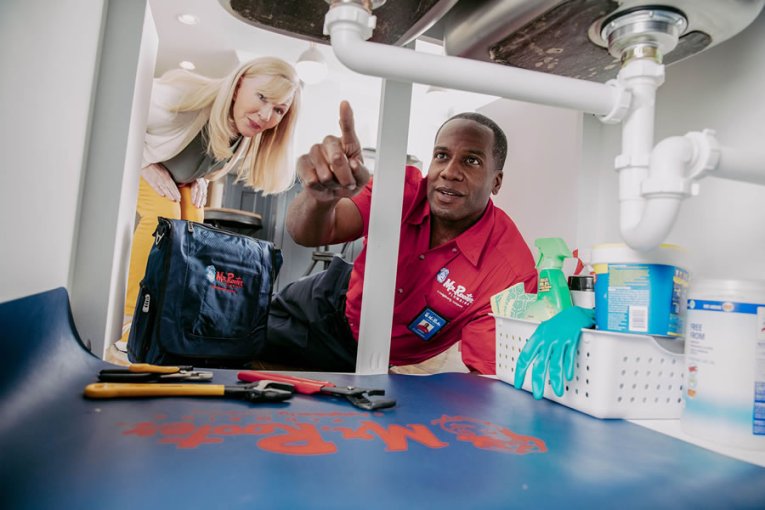
A shower that isn't working right can ruin your day fast. Mr. Rooter Plumbing offers shower repair in Chattanooga, Tennessee, ranging from a showerhead with terrible pressure to leaks that have been soaking into the wall for months. Showers involve…
Sump Pump Replacement & Repair
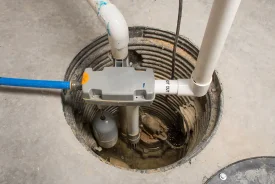
The only time most homeowners think about their sump pump is when the basement is already flooding. Mr. Rooter Plumbing wants you to think about it before that happens, because a sump pump replacement done on your schedule is a…
Toilet Replacement & Repair
Mr. Rooter Plumbing replaces toilets for all kinds of reasons, from persistent clogs and cracks in the porcelain to homeowners who are tired of a unit that runs all night and drives up their water bill. There is more to…
How to Measure Your Countertop Cutout
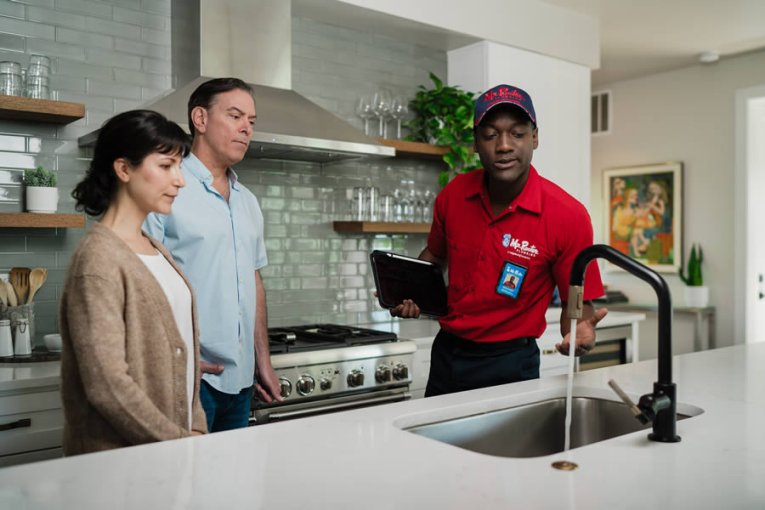
The cutout is the hole in your countertop, and it has to match the sink within a specific tolerance. Measure the length and width of the opening, then check the manufacturer's specifications for any sink you're considering. Drop-in sinks need a cutout that's slightly smaller than the outer rim. Undermount sinks need a cutout that matches the sink's top opening almost exactly. A difference of a quarter inch can mean the sink falls through or won't seat correctly.
Also measure the cabinet depth and the interior width of the base cabinet. A large single-basin sink that looks right online may not clear the cabinet walls once you account for mounting clips and supply line connections. Standard base cabinets run 36 inches wide and 24 inches deep, but older homes and custom kitchens deviate from that. Measure what's actually there.
Check the existing drain location while you're at it. Mark where the drain hole sits relative to the centerline of the cabinet. If you're switching from a double-basin sink to a single-basin sink, the drain position on the new sink may not align with the existing drain stub-out in the wall or floor. The gap requires either a new sink with a compatible drain location or new drain rough-in work from a sink installer in Chattanooga.
Mr. Rooter Reviews
Read What Our Happy Customers Have to Say About Our Services
I can not say enough great things about Joseph Tomlinson. We had to have our septic system dug up, and they had to find the exact cause of it backing up. Joseph knew exactly where to look and how to fix it, and knew exactly what he was talking about. I would highly recommend him to anyone who has any septic issues. Very knowledgeable, respectful, straightforward, and honest. He will be the reason that we continue using this company for our plumbing needs.
Seth from Mr. Rooter came out to our house on Saturday. He was prompt and very professional. Did an excellent job and fixed several problems, and thankfully stopped the leaking into our basement! I have used Mr. Rooter before, and they have been great every time. Thanks, Seth! Brett R.
Austin communicated very well throughout the entire process. He came out to check out a toilet and was courteous and knowledgeable about the issue. He even offered to bring a package inside for us as we were not home! Definitely recommend!
I had one plumbing company that came out, and walked away from the job, because they had to go in the tank to change a pump out. At this point i had to get someone ASAP. I called Mr. Rooter and had Joseph come out to give a quote, and he came the next day. Great service, and he wanted to make sure I was happy. Great guy, I highly recommend Joe.

What Happens to Your Plumbing When You Switch Sink Styles
A double-basin sink runs two basket strainers into a shared P-trap, while a single-basin sink runs one. If you're going from double to single, the existing drain configuration has to be rebuilt. The P-trap position, the horizontal drain arm angle, and the connection to the wall stub-out all shift depending on where the new drain sits.
Supply lines connect to the faucet, not the sink itself, but sink replacement usually means removing the faucet too. Older supply lines are normally braided steel with compression fittings that have corroded in place. Plan to replace them. New supply lines run about $10 to $20 each and are worth swapping rather than reusing lines that are five or ten years old. While you have the cabinet cleared out, inspect the shut-off valves under the sink. Valves that haven't been turned in years can seize or leak when you finally close them.
Garbage disposals complicate the swap, too. The disposal mounts to the drain flange on the sink, and not every sink is compatible with every disposal mounting bracket. If you're keeping the disposal, verify that the new sink has a drain cutout that fits the mounting assembly. If you're replacing the sink and disposal, confirm that everything is compatible before you start the job. Your plumber in Chattanooga handling the sink installation can catch these problems before the project begins.
The Smaller Details Are Also a Priority
Basket strainers seal the drain opening and give you a removable screen to catch debris. They come in standard sizes, but the depth of the strainer body varies. In a shallow sink, a deep strainer body can hit the bottom of the cabinet before the drain arm has enough drop to flow correctly. Check the sink depth and the strainer dimensions together, not separately.
The drain arm needs a minimum slope to carry water toward the wall. Plumbing code requires a quarter inch of drop per foot of horizontal run. If the drain arm runs flat or angles upward, water sits in the pipe, and waste accumulates. That's how you get slow drains and odors even in a brand-new installation. Getting the slope right is one of the more common things that goes wrong in DIY sink repair.
Silicone sealant around the basket strainer keeps water from leaking between the strainer body and the sink basin. Use plumber's putty or silicone, depending on the sink material. Stainless steel and composite sinks typically call for silicone. Some manufacturers void the warranty if you use putty on their finish. Read the instructions that come with the strainer, not just general guidance. A bad seal at the strainer is a slow leak that drips onto the cabinet floor for months before anyone notices.
What to Expect When You Hire a Plumber for the Job
A plumber doing a full sink installation or a kitchen sink repair in Chattanooga will start by shutting off the water supply at the valves under the sink or at the main if the valves don't hold. They'll disconnect the supply lines, remove the P-trap and drain assembly, and detach the mounting hardware holding the old sink in place. On an undermount sink, that sometimes means cutting silicone adhesive that's bonded the sink to the countertop.
Once the old sink is out, the reliable plumber inspects the cabinet interior, the drain rough-in, and the condition of the supply valves. Any valve that doesn't close can get replaced before the new sink goes in. The new sink installation follows the manufacturer's specs for mounting, sealing, and drain alignment. Supply lines are connected last, and the plumber tests for leaks before closing up the cabinet.
Do You Need a Sink Replacement in Chattanooga, TN? Call Us Today
For homeowners looking for kitchen sink repair in Chattanooga or a complete sink replacement in Chattanooga, Mr. Rooter Plumbing offers both. Our team has the parts and tools to do the job right. If you need a reliable sink installer in Chattanooga, Tennessee, call Mr. Rooter Plumbing.
Frequently Asked Questions
Latest Updates & Blog Posts
 Jun 05, 2026
Why Replacing an Old Toilet Can Save You Money
Do you have a home improvement project planned? If so, installing a…
Read More May 30, 2026
How Water Softener Installation Improves Skin and Hair Health
Did you know that water quality affects nearly every aspect of daily…
Read More May 23, 2026
Why Old Faucets Waste More Water Than You Think
Plumbing is a crucial part of residential and commercial properties. From providing…
Read More May 14, 2026
How Water Line Damage Can Destroy Your Property
When it comes to protecting your home or business, few issues are…
Read More