

If the repair involves the main water line, sewer system, gas lines, or anything that requires opening up walls or floors, a licensed plumber is the right call. DIY fixes have their place, but the wrong move on the wrong system can turn a small problem into an expensive one.
Reliable Water Softener Installation in Chattanooga, TN
Hard water is a problem that shows up everywhere once you know what to look for. Mr. Rooter Plumbing installs and services water softeners for homeowners who are tired of the white buildup on their fixtures, the dingy laundry, and the shortened lifespan of their appliances and pipes. A water softener is a long-term investment in your plumbing system and your home. Here's what you need to know to make a smart decision.
What Hard Water Is and How It Gets Into Your Home
Hard water contains dissolved minerals, primarily calcium and magnesium, picked up as groundwater moves through rock and soil. The more limestone and chalk in the ground, the harder the water tends to be. Municipal water treatment does not remove these minerals because they are not a health hazard. They just cause problems everywhere they travel inside your home.
Your water hardness level is measured in grains per gallon or parts per million. Anything above 7 GPG is considered hard, and many areas in the Southeast, including those served by an experienced plumber doing water softener installation in Chattanooga, regularly see levels above 10 GPG. That's enough to leave visible deposits on fixtures within weeks.
The water enters your home through the main supply line and moves through every pipe, appliance, and fixture you own. The minerals do not stay suspended. They precipitate out when water heats up or sits still, and that is where the damage starts.
Our Services
Water Filtration Installation
What comes out of your tap isn't always as clean as it looks. Mr. Rooter Plumbing installs water filtration systems for homeowners who want to know exactly what they're drinking, cooking with, and bathing in, and the options available today…
Pipe Repair & Repiping
Mr. Rooter Plumbing gets calls for pipe repair and repiping from homeowners dealing with everything from a single cracked section to a whole-house system that has simply reached the end of its lifespan. Knowing the difference between a targeted repair…
Reliable Water Softener Installation
Hard water is a problem that shows up everywhere once you know what to look for. Mr. Rooter Plumbing installs and services water softeners for homeowners who are tired of the white buildup on their fixtures, the dingy laundry, and…
Water Line Replacement
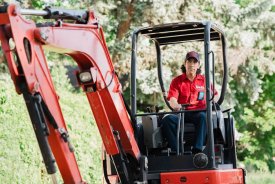
Your main water line is the single pipe responsible for delivering water to every fixture in your home, and most homeowners have no idea what condition their line is in. Mr. Rooter Plumbing is ready to help. We get called…
Sump Pump Replacement & Repair
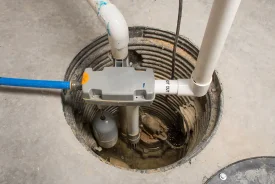
The only time most homeowners think about their sump pump is when the basement is already flooding. Mr. Rooter Plumbing wants you to think about it before that happens, because a sump pump replacement done on your schedule is a…
Gas Line Repair & Installation
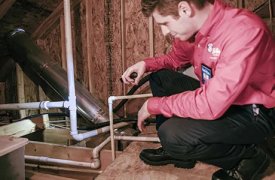
Gas line problems aren't the kind of thing you troubleshoot on your own. Mr. Rooter Plumbing offers gas line repair in Chattanooga with licensed technicians who know exactly what to look for, because the margin for error is zero. A…
Shower Repair & Replacement
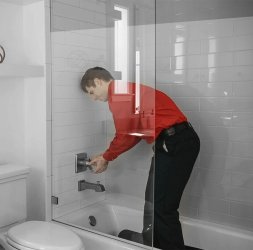
A shower that isn't working right can ruin your day fast. Mr. Rooter Plumbing offers shower repair in Chattanooga, Tennessee, ranging from a showerhead with terrible pressure to leaks that have been soaking into the wall for months. Showers involve…
Garbage Disposal Replacement
Most people don't think about their garbage disposal until it stops working in the middle of cooking dinner. Mr. Rooter Plumbing gets called out for garbage disposal replacement in Chattanooga pretty regularly, and the job is almost never as simple…

How to Tell If You Have a Hard Water Problem
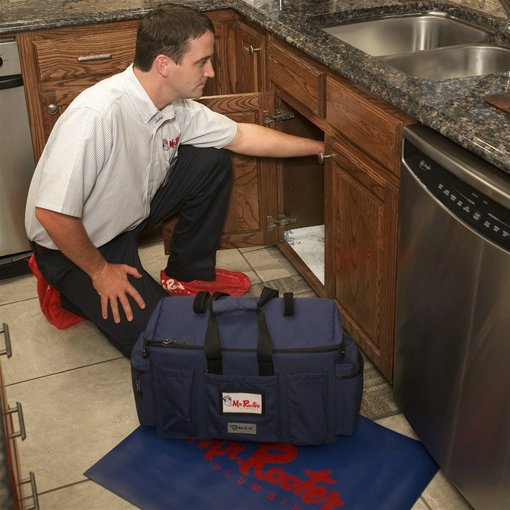
The clearest signs are white or yellowish scale on faucets, showerheads, and the inside of your kettle. Soap scum that doesn't rinse off cleanly, dishes with spots after the dishwasher runs, and laundry that comes out stiff and dull are all consistent with elevated mineral content.
Your appliances give signals too. A water heater that takes longer to heat or makes popping and rumbling sounds is probably dealing with sediment buildup from hard water. The same goes for a dishwasher or washing machine that underperforms before its expected lifespan is up. Local plumbers can assess your water and tell you your actual GPG reading with a simple test.
You can also request a water quality report from your municipal supplier. The report will show hardness levels. If you're on well water, a private test through a certified lab gives you the data you need to decide if a water softener installation makes sense for your household.
Mr. Rooter Reviews
Read What Our Happy Customers Have to Say About Our Services
I can not say enough great things about Joseph Tomlinson. We had to have our septic system dug up, and they had to find the exact cause of it backing up. Joseph knew exactly where to look and how to fix it, and knew exactly what he was talking about. I would highly recommend him to anyone who has any septic issues. Very knowledgeable, respectful, straightforward, and honest. He will be the reason that we continue using this company for our plumbing needs.
Seth from Mr. Rooter came out to our house on Saturday. He was prompt and very professional. Did an excellent job and fixed several problems, and thankfully stopped the leaking into our basement! I have used Mr. Rooter before, and they have been great every time. Thanks, Seth! Brett R.
Austin communicated very well throughout the entire process. He came out to check out a toilet and was courteous and knowledgeable about the issue. He even offered to bring a package inside for us as we were not home! Definitely recommend!
I had one plumbing company that came out, and walked away from the job, because they had to go in the tank to change a pump out. At this point i had to get someone ASAP. I called Mr. Rooter and had Joseph come out to give a quote, and he came the next day. Great service, and he wanted to make sure I was happy. Great guy, I highly recommend Joe.
Salt-Based Versus Salt-Free Systems and the Differences That Matter
Salt-based systems use ion exchange to remove calcium and magnesium from the water. Hard minerals pass through a resin tank, swap places with sodium ions, and exit the system as softened water. This process produces genuinely soft water, with mineral content dropped to near zero. These systems require a brine tank, periodic salt refills, and a regeneration cycle that uses water to flush the resin.
Salt-free systems, sometimes called water conditioners, do not remove minerals. They alter the mineral structure so the scale is less likely to stick to surfaces. The water remains technically hard, but the minerals behave differently. Salt-free systems require no salt, electricity, or regeneration cycles, but they don't deliver the same results as ion exchange in high-hardness situations.
For most households dealing with hard water above 7 GPG, a salt-based system produces more reliable results. Salt-free systems work better as a scale-prevention tool in moderate hardness conditions or as a supplement to existing treatment. A reliable plumber experienced in water softener installation can help you match the system type to your water hardness and household size.
What Hard Water Does to Your Pipes and Appliances
Scale accumulates inside pipes the same way it builds on your faucets. Over the years, that buildup narrows the interior diameter of the pipe and restricts flow. In older galvanized steel pipes, scale accelerates corrosion. In copper and PVC, it reduces pressure and makes the system work harder than it should to deliver the same output.
Water heaters take the hardest hit. Heating hard water causes minerals to drop out of suspension and settle at the bottom of the tank. A 1/4 inch of scale on a water heater element can increase energy consumption by up to 40 percent, according to industry testing data. Most water heaters are rated for 8 to 12 years, but substantial scale buildup can cut that lifespan in half.
Dishwashers, washing machines, and coffee makers with internal heating elements all degrade faster in hard water conditions. Seals and valves clog with mineral deposits. Spray arms in dishwashers get blocked. These are not theoretical outcomes. They are the reason water softener repair and water softener replacement come up so frequently in homes with untreated hard water.
What Professional Water Softener Installation Involves
A proper water softener installation in Chattanooga starts with selecting the right location. The unit needs access to the main supply line, a drain for the regeneration cycle, and an electrical outlet if the system is electric. Most systems go in a utility room, basement, or garage near the water heater.
The plumber cuts into the main supply line before it branches to the rest of the house, installs bypass valves so the system can be serviced without shutting off your water, and connects the brine tank to the resin tank. The system then gets programmed for regeneration frequency.
After installation, a plumber tests the output to confirm the system is producing softened water at the correct level. That baseline is important for future water softener repair in Chattanooga or water softener replacement decisions. Knowing your system's starting output makes it easier to identify when performance drops and whether repair or replacement is the better path forward.
Are You Ready to Stop Letting Hard Water Damage Your Home?
Hard water degrades pipes, shortens appliance lifespans, and costs you money in energy and early replacements. A properly sized and installed water softener addresses all of that at the source. Mr. Rooter Plumbing handles water softener installation, water softener repair, and water softener replacement for homeowners who want the job done right. Our licensed plumbers assess your water hardness, recommend the correct system, and install it to manufacturer and local code standards. Contact Mr. Rooter Plumbing today to schedule a water quality assessment.
Frequently Asked Questions
Latest Updates & Blog Posts
 Jun 05, 2026
Why Replacing an Old Toilet Can Save You Money
Do you have a home improvement project planned? If so, installing a…
Read More May 30, 2026
How Water Softener Installation Improves Skin and Hair Health
Did you know that water quality affects nearly every aspect of daily…
Read More May 23, 2026
Why Old Faucets Waste More Water Than You Think
Plumbing is a crucial part of residential and commercial properties. From providing…
Read More May 14, 2026
How Water Line Damage Can Destroy Your Property
When it comes to protecting your home or business, few issues are…
Read More