

If the repair involves the main water line, sewer system, gas lines, or anything that requires opening up walls or floors, a licensed plumber is the right call. DIY fixes have their place, but the wrong move on the wrong system can turn a small problem into an expensive one.

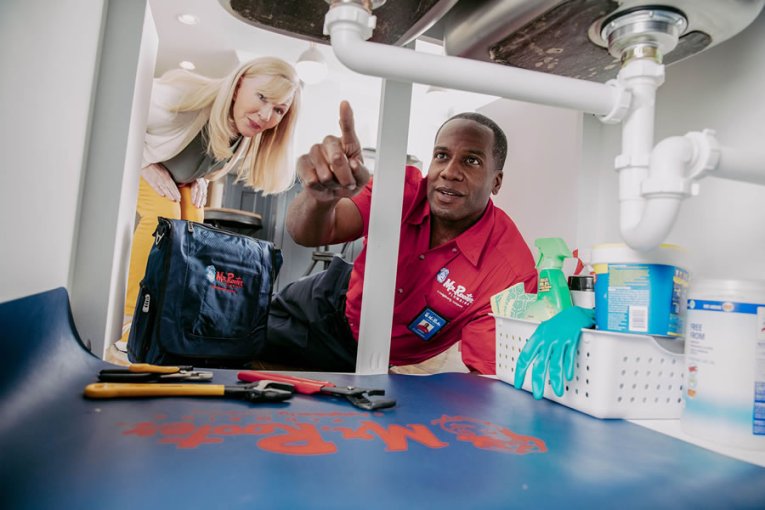
Leak Detection in Chattanooga, TN
Water has a way of finding the worst possible places to hide. At Mr. Rooter Plumbing, we get calls all the time from homeowners who had no idea they had a leak until their water bill doubled or they found soft spots in their flooring. Leak detection is about finding the problem before it finds you, and the tools and methods available today are a lot more precise than they used to be. If you've got a nagging feeling that something is off with your plumbing, this is worth reading.
Why So Many Leaks Go Undetected for Months
A pinhole in a copper pipe behind drywall drips at a rate slow enough that it won't puddle on the floor for weeks. By the time mold shows up or the drywall bubbles, the damage is already done. Homeowners aren't ignoring their plumbing; they're just not seeing what's happening inside the walls, under the slab, or behind the vanity cabinet.
Plumbing runs through some of the least-visible parts of a house. Pipes travel through crawl spaces, under concrete, and inside finished walls. A sink leak under the cabinet might soak the particleboard for months before anyone opens the cabinet door and looks down. A toilet leak at the base wicks into the subfloor slowly, and the rot sets in before the tile lifts.
Slow pressure drops, faint musty odors, and unexplained spikes in the water bill are the signs that tend to get ignored or misattributed. That's exactly how a minor leak turns into a major repair.
Our Services
Water Filtration Installation
What comes out of your tap isn't always as clean as it looks. Mr. Rooter Plumbing installs water filtration systems for homeowners who want to know exactly what they're drinking, cooking with, and bathing in, and the options available today…

Sewer Repair
Sewer problems have a way of going unnoticed until they're impossible to ignore. By that point, the damage is usually well underway. Mr. Rooter Plumbing provides reliable trenchless sewer repair in Chattanooga, Tennessee, and the surrounding area. Knowing what to…
Bathroom Plumbing
Few things disrupt a household faster than a bathroom that isn't working right. At Mr. Rooter Plumbing, we've seen it all, from slow drains that turn a shower into a wading pool to hidden leaks rotting out the subfloor behind…

Kitchen Sink Replacement
Replacing a kitchen sink sounds simple until you're halfway through the project and realize the new one doesn't fit the countertop cutout. Mr. Rooter Plumbing has seen that scenario more times than we can count, along with plenty of others…

Shower Repair & Replacement
A shower that isn't working right can ruin your day fast. Mr. Rooter Plumbing offers shower repair in Chattanooga, Tennessee, ranging from a showerhead with terrible pressure to leaks that have been soaking into the wall for months. Showers involve…
Toilet Replacement & Repair
Mr. Rooter Plumbing replaces toilets for all kinds of reasons, from persistent clogs and cracks in the porcelain to homeowners who are tired of a unit that runs all night and drives up their water bill. There is more to…
Water Line Replacement
Your main water line is the single pipe responsible for delivering water to every fixture in your home, and most homeowners have no idea what condition their line is in. Mr. Rooter Plumbing is ready to help. We get called…

Commercial Plumbing
Running a business comes with enough headaches, and your plumbing shouldn't be one of them. At Mr. Rooter Plumbing, we know that commercial plumbing systems are a different animal than what you'd find in a home. The pipe networks are…

How to Read Your Water Meter for Signs of a Hidden Leak
Your water meter can tell you if water is moving through your system when it shouldn't be. Turn off every fixture in the house, including the ice maker and irrigation system. Go to your meter and check the leak indicator, which is usually a small triangle or dial on the face of the meter. If it's spinning, water is moving somewhere.
For a slower test, write down the meter reading, leave everything off for two hours, and check again. Any change in the reading points to a leak. This method won't tell you where the leak is, but it confirms one exists. At that point, calling an emergency plumber in Chattanooga is the next step.
Mr. Rooter Reviews
Read What Our Happy Customers Have to Say About Our Services
I can not say enough great things about Joseph Tomlinson. We had to have our septic system dug up, and they had to find the exact cause of it backing up. Joseph knew exactly where to look and how to fix it, and knew exactly what he was talking about. I would highly recommend him to anyone who has any septic issues. Very knowledgeable, respectful, straightforward, and honest. He will be the reason that we continue using this company for our plumbing needs.
Seth from Mr. Rooter came out to our house on Saturday. He was prompt and very professional. Did an excellent job and fixed several problems, and thankfully stopped the leaking into our basement! I have used Mr. Rooter before, and they have been great every time. Thanks, Seth! Brett R.
Austin communicated very well throughout the entire process. He came out to check out a toilet and was courteous and knowledgeable about the issue. He even offered to bring a package inside for us as we were not home! Definitely recommend!
I had one plumbing company that came out, and walked away from the job, because they had to go in the tank to change a pump out. At this point i had to get someone ASAP. I called Mr. Rooter and had Joseph come out to give a quote, and he came the next day. Great service, and he wanted to make sure I was happy. Great guy, I highly recommend Joe.
The Most Common Places Leaks Develop in a Home
Certain spots in a home are more prone to leaks than others. Fixture connections, aging supply lines, and joints under pressure top the list. Here's where to look first:
- Under Sinks: A sink leak at the supply line or drain connection is one of the most common calls local plumbers receive. Compression fittings loosen, and P-traps can develop hairline cracks.
- Around Toilets: A toilet leak can come from the supply line, the fill valve, the flapper, or the wax ring at the base. The wax ring failure is particularly destructive because the water travels into the subfloor.
- Basement Walls and Floors: A basement leak can come from exterior foundation cracks, window well drainage failures, or interior pipe condensation. Each source requires a different fix, so identifying the origin is important.
- Under Slabs: Slab leak detection is needed when pipes running through or under the concrete foundation begin to fail. This happens most in homes with copper or galvanized steel pipes that have corroded over decades.
- Water Heater Connections: The supply and discharge lines at the water heater, along with the pressure relief valve, are common failure points.
Age, water pressure, and mineral buildup in the pipes all accelerate these failures. Hard water deposits restrict flow and put added stress on fittings and valves.
What Professional Leak Detection Equipment Does
Professional leak detection uses advanced tools that detect sound, temperature, or moisture without cutting into walls or jackhammering concrete.
Acoustic listening devices amplify the sound of water moving through a pipe or escaping through a crack. Trained technicians can distinguish between a leak frequency and ambient noise, which lets them narrow a location down to within inches in some cases. Thermal imaging cameras detect temperature differences in walls and floors caused by moisture. A wet area behind drywall shows up as a distinct color variation on the camera's display. Ground microphones extend the capability of slab leak detection in Chattanooga and other areas where pipes run below concrete.
Moisture meters measure water content in building materials. A reading above baseline in a certain area of drywall or flooring confirms active moisture. These tools together allow experienced local plumbers to map the problem before the demo work begins, which keeps repair costs lower.
What to Do the Moment You Suspect a Leak in Your Home
Don't wait. Leaks won't seal themselves, and every day adds to the potential damage. Here's the order of operations:
- Shut off the water at the fixture or at the main valve if you can't identify the source.
- Take photos of visible damage, staining, or wet areas for insurance claims.
- Check your meter using the method above to confirm water is still moving.
- Call a plumber. Water leak repair in Chattanooga is not a project to defer. Hidden moisture creates mold within 24 to 48 hours under the right conditions.
Avoid running water in the house until the source is identified. If you see water near an electrical panel, outlet, or appliance, treat it as an electrical hazard and don't touch it.
For suspected slab leaks, don't attempt to locate or access the pipe yourself. Slab leak detection in Chattanooga requires specialized equipment, and breaking into concrete without knowing the pipe's exact location increases the repair scope dramatically.
Do You Need an Inspection or Water Leak Repair in Chattanooga, TN?
Water leak repair doesn't have to turn into an expensive renovation project. A plumber can help catch a leak early by using the right detection equipment. Whether you're dealing with a sink leak, a toilet leak, a basement leak, or something you can't locate at all, the process starts with an accurate diagnosis. Mr. Rooter Plumbing serves homeowners across the area with professional leak detection in Chattanooga, Tennessee. We use the tools and training to find problems fast and fix them right. Call us today to schedule a leak inspection.
Frequently Asked Questions
Latest Updates & Blog Posts
 Jun 05, 2026
Why Replacing an Old Toilet Can Save You Money
Do you have a home improvement project planned? If so, installing a…
Read More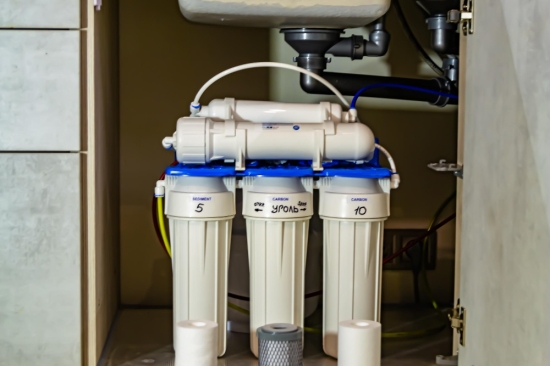 May 30, 2026
How Water Softener Installation Improves Skin and Hair Health
Did you know that water quality affects nearly every aspect of daily…
Read More May 23, 2026
Why Old Faucets Waste More Water Than You Think
Plumbing is a crucial part of residential and commercial properties. From providing…
Read More May 14, 2026
How Water Line Damage Can Destroy Your Property
When it comes to protecting your home or business, few issues are…
Read More